2026年9月18日的歷史 · 1931
1931-09-18: The Mukden Incident
- East Asia
- Manchuria
- League of Nations
The night the railway became a pretext
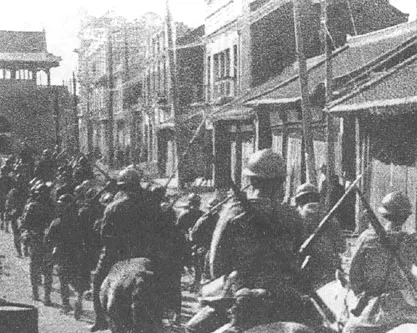
On 18 September 1931, officers of Japan’s Kwantung Army used an explosion on the South Manchuria Railway near Mukden (now Shenyang) as the pretext for an attack in northeastern China. By the following morning, Japanese forces had seized Mukden; within days, occupation spread along the railway. The crisis showed that the League of Nations could investigate aggression, yet could not stop a great power determined to expand by force.
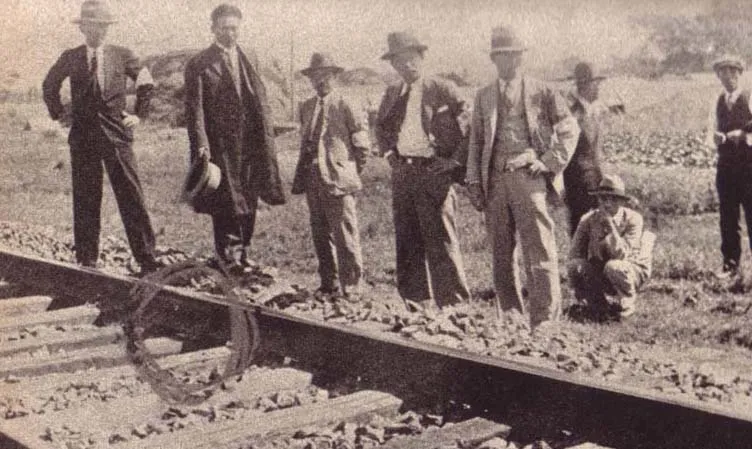
The blast damaged only a small section of track and did not prevent a train from passing. American diplomatic reporting at the time recorded that Mukden and Antung were occupied during the night of 18 September and that other cities along the railway were soon taken. The Lytton Commission later examined the incident and the military movements that followed.
The immediate result was not merely a local clash. The occupation created the conditions for the Japanese-controlled state of Manchukuo in 1932. China’s appeal to the League brought an international inquiry, but the organization did not reverse the conquest. The episode became a defining demonstration of the limits of collective security in the interwar period.
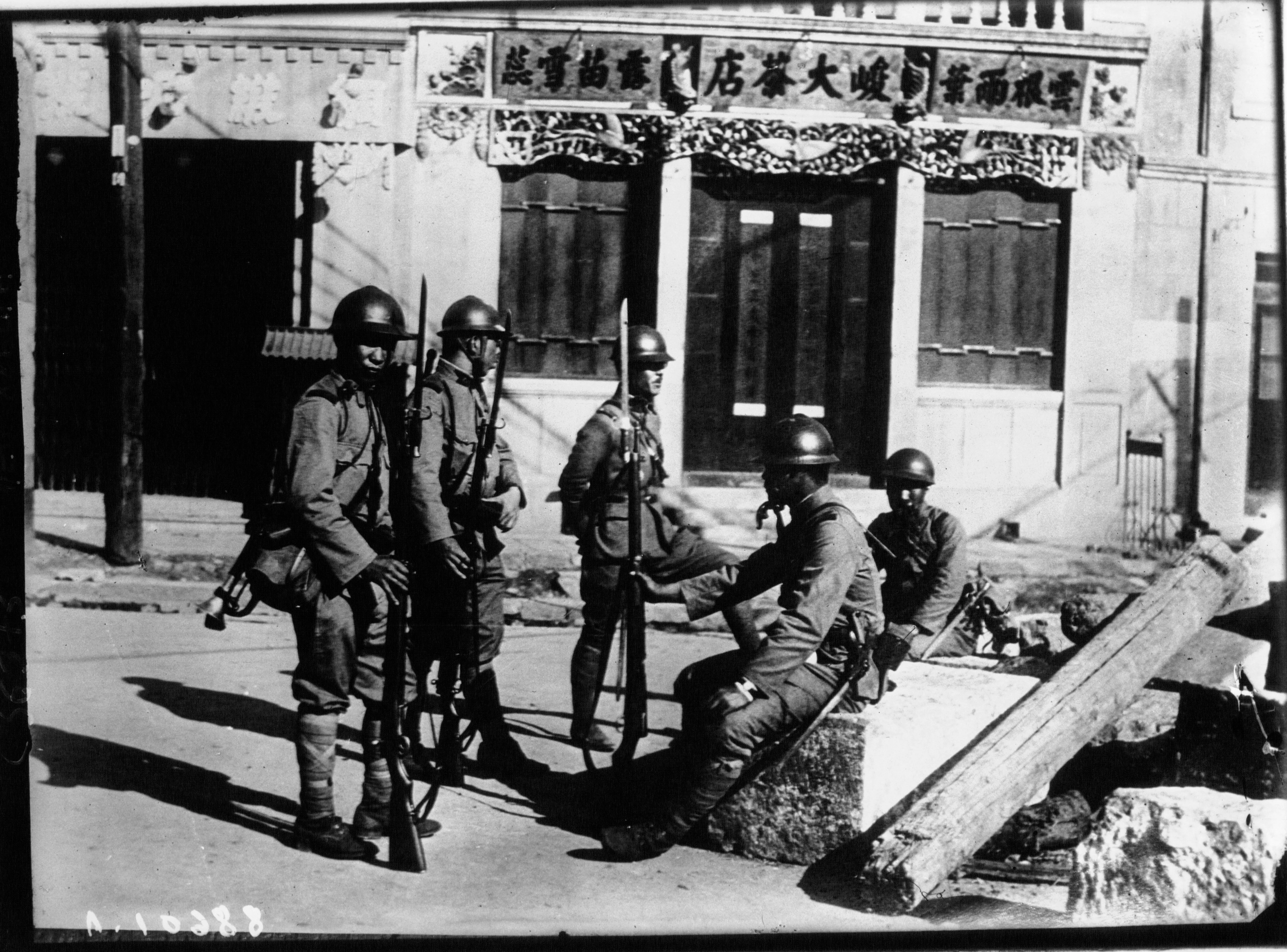
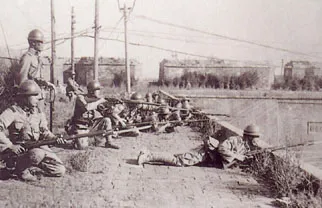
The four photographs preserve distinct parts of the story: the troops entering the city, soldiers in the occupied area, the invading force, and the damaged railway scene. They should be read with the diplomatic documents rather than as neutral proof of any one side’s account.
Sources and rights
- U.S. Department of State, Office of the Historian, The Mukden Incident of 1931 and the Stimson Doctrine.
- U.S. Department of State, Foreign Relations of the United States, 1931, document 82.
- League of Nations Commission of Enquiry, Report of the Commission of Enquiry, Chapter 4.
- Images: Wikimedia Commons public-domain files; individual source links and licenses appear in the image metadata above.